A General Liability Filing Mapped a Bakery’s Delivery Radius to a Trucking Class

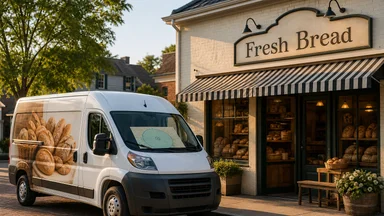
A small bakery in Maryland discovered that its delivery vans—used to drop off bread and pastries within a roughly 5- to 10-mile radius—had been reclassified by its insurer from a standard general liability (GL) exposure to a commercial trucking class. The result: a premium increase of 40–60 percent and a coverage gap for delivery-related accidents that the bakery had not anticipated. The dispute, which eventually reached the state insurance department and was cited in NAIC market conduct exam data, illustrates how a single classification decision can reshape a small business's risk profile.
A Bakery’s Delivery Radius Got Mapped to a Trucking Class
NAIC complaint data shows that misclassification disputes like this one are not rare. The bakery had purchased a general liability policy, assuming that its primary exposures were slip-and-fall incidents and product liability. However, the insurer's underwriting review flagged the bakery's delivery operations, which involved two vans making multiple trips per day. The insurer argued that these deliveries fell under a trucking class—specifically, ISO classification 7250, which covers local hauling under 50 miles—and that the premium should reflect the higher loss costs associated with commercial auto.
The policyholder, a family-owned business with roughly 15 employees, expected standard GL coverage and was surprised by the surcharge. The bakery's owner told the state insurance department that delivery was incidental to the main business of baking and retail sales. But the insurer countered that the bakery's vans carried goods for compensation (the price of delivery was included in the product cost), and that the frequency of trips—sometimes 20 or more per day—made the exposure akin to a trucking operation. Court records from a subsequent declaratory judgment action show that the bakery disputed the reclassification, arguing that the delivery radius was too short to constitute commercial trucking. The insurer, however, pointed to its filed rating manual, which defined local hauling as any delivery within 50 miles. The bakery's radius fell well within that range, and the manual gave the underwriter no discretion to treat incidental deliveries differently.
The case underscores a tension in small-business insurance: the same activity—driving a van to deliver goods—can be classified as either a GL exposure (if incidental) or an auto exposure (if primary). The distinction often hinges on the delivery radius and frequency, but many small business owners are unaware of how these factors affect their classification. A related workers' comp case involving a food truck's catering revenue shows similar classification pitfalls.
The Filing That Rewrote a Small Business’s Risk Profile
The insurer's filing referenced ISO classification 7250, which applies to "trucking—local hauling" and includes businesses that transport goods for hire or as part of their primary operations. The bakery's delivery vans, though small, were engaged in local hauling of baked goods. The insurer applied commercial auto loss costs, which for local trucking historically carry loss ratios above 70 percent, according to industry data from the mid-2010s through early 2020s. In contrast, the bakery's GL class code (likely 80115 for bakeries) had a more moderate loss ratio, roughly 50–60 percent over the same period.
The reclassification meant that the bakery's premium jumped from a base GL rate of around $1,200 per $1 million of revenue to a combined GL-plus-auto rate that nearly doubled. The insurer added an auto liability endorsement to the GL policy, but the endorsement had a separate premium base and a different set of terms. For example, the endorsement excluded coverage for accidents that occurred while the driver was using a personal vehicle for deliveries—a gap the bakery did not discover until after a minor fender bender involving an employee's car.
The bakery's agent had not asked about the delivery radius or frequency when binding the policy. The agent later testified that he assumed deliveries within a small radius were covered under the GL policy's "products-completed operations" provision. But the insurer's filing made clear that completed operations coverage applies to the product itself, not to the transportation of the product. The distinction is subtle but has significant financial consequences.
Court documents show that the bakery argued the insurer's classification was arbitrary and not supported by the filed manual. However, the manual included a note that "delivery of goods by vehicle is considered trucking unless the delivery is incidental and the vehicle is not used primarily for that purpose." The insurer argued that the bakery's vans were used primarily for delivery, making them trucking vehicles. The bakery countered that the vans were also used to pick up supplies, but the insurer noted that supply trips accounted for less than 10 percent of total mileage.
Why a Delivery Radius Matters More Than Product Liability
For a bakery, the most obvious risk might seem to be product liability—a customer getting sick from a contaminated pastry. But the premium impact of product liability is relatively small. According to ISO loss cost data, product liability for bakeries typically accounts for about 10–15 percent of the total GL premium. The far larger component is premises liability (slip-and-fall, etc.), which is driven by foot traffic. The delivery radius, however, can overshadow both.
In the bakery's case, the insurer's reclassification raised the premium by roughly 40–60 percent, an increase that dwarfed any possible product liability surcharge. The insurer's own filing showed that the auto portion of the premium was based on the number of delivery trips per week and the average distance per trip. The bakery's 20 trips per day at an average of 4 miles per trip added up to roughly 80 miles per day, or about 1,600 miles per month—well within the local hauling threshold.
The insurer also applied a fleet rating factor because the bakery had two vans. Fleet rating typically increases the premium by 20–30 percent compared to a single-vehicle policy, because the exposure is spread across multiple drivers and vehicles. The bakery's owner was the primary driver, but employees also used the vans, and the insurer rated each driver based on their driving record and experience. One employee had a recent speeding ticket, which further increased the premium.
The bakery's loss history was clean—no prior claims—but the insurer's classification ignored that. In commercial auto, class rating often overrides individual loss experience, especially for small fleets. The insurer's underwriter testified that the classification was based on the "nature of the operations" rather than the policyholder's claims history. This is a common frustration for small businesses: a clean record does not guarantee a lower premium if the classification is unfavorable.
The Insurance Department’s Role in the Dispute
The bakery filed a complaint with the Maryland Insurance Administration, arguing that the reclassification was unreasonable. The department's consumer services division reviewed the insurer's filed rating manual and the bakery's policy documents. The department concluded that the insurer's classification was consistent with its filed manual, but it noted that the manual lacked clarity on what constituted "incidental" delivery. The department recommended that the insurer clarify the definition in future filings, but it did not order a refund or reclassification.
The department's decision was cited in NAIC market conduct exam data for Maryland, which showed a pattern of similar complaints from small businesses with delivery operations. The exam noted that several insurers had been using broad definitions of "trucking" that captured incidental deliveries, leading to premium surcharges that policyholders did not expect. The exam recommended that the state insurance department issue a bulletin to clarify the distinction between incidental delivery and primary trucking.
The bakery's case also appeared in a court filing for a declaratory judgment, where the bakery sought to have the reclassification overturned. The court ruled in favor of the insurer, holding that the classification was within the insurer's discretion under the filed manual. However, the court noted that the manual's definition of "incidental" was ambiguous and urged the insurance department to address the issue. The bakery did not appeal.
The outcome highlights the limits of regulatory oversight. Insurance departments can review complaints and recommend changes, but they generally cannot reclassify a risk retroactively unless the classification violates a statute or regulation. In this case, the classification was consistent with the filed manual, even if the manual was poorly drafted. The bakery was left with a higher premium and a coverage gap—a result that might have been avoided with better upfront communication.
How Classification Drives Premium, Not Just Coverage
Insurance classification codes, such as those published by ISO, determine the base rates and loss costs that insurers use to calculate premiums. A misclassification can double the premium even if no claim is ever filed. In the bakery's case, the reclassification from GL to trucking changed not only the premium base but also the coverage terms. The bakery's original GL policy had no auto liability coverage—it covered only premises and product exposures. The reclassification added auto liability via an endorsement, but the endorsement had exclusions that the bakery did not fully understand.
For example, the auto endorsement excluded coverage for accidents that occurred while the driver was using a personal vehicle for deliveries. This meant that if an employee used their own car to make a delivery—something that happened occasionally when the bakery's vans were in for maintenance—the bakery would have no coverage. The bakery's owner later said he assumed his GL policy covered all business-related activities, but that assumption was incorrect. The gap was not discovered until after the fender bender mentioned earlier, which the bakery had to pay for out of pocket.
The reclassification also affected the bakery's ability to obtain coverage from other insurers. When the bakery sought quotes from competitors, several carriers asked about the delivery radius and frequency. One carrier declined to quote because the bakery's delivery operations exceeded its underwriting appetite for small GL risks. Another carrier offered a policy but at a premium similar to the existing insurer's reclassified rate. The bakery was effectively trapped: it could not return to its original GL-only policy because the delivery exposure was now considered a material fact that had to be disclosed.
The case is a reminder that classification is not just about pricing—it is about defining the scope of coverage. A policy that is classified as GL with an auto endorsement may have different terms than a policy that is classified as a commercial auto package. The bakery's endorsement, for instance, did not include medical payments coverage for auto accidents, which is standard in most standalone commercial auto policies. The bakery's owner learned this only after the fender bender, when the other driver's medical bills were not covered.
Additional Examples of Classification Disputes
Similar classification issues have emerged in other industries. In 2024, a landscaping company in Virginia faced a reclassification from GL to trucking after its insurer determined that the company's trailers—used to transport mowers and equipment—constituted a trucking exposure. The company's premium increased by 35 percent, and the policy excluded coverage for accidents involving the trailers when they were not attached to a company vehicle. The landscaping company filed a complaint with the Virginia Bureau of Insurance, which found that the insurer's classification was consistent with its manual but recommended that the manual be updated to clarify the treatment of trailers.
Another example comes from the food truck industry. A food truck operator in Pennsylvania discovered that his insurer had classified his truck as a commercial auto rather than a GL exposure, despite the fact that the truck was primarily used for cooking and serving food. The reclassification resulted in a 50 percent premium increase and a coverage gap for slip-and-fall incidents inside the truck. The operator's agent had not asked about the truck's primary use, assuming that a food truck would be classified as a mobile food vendor under GL. The dispute was resolved only after the operator switched to a specialist insurer that understood the food truck business.
These examples show that misclassification is not limited to bakeries or delivery operations. Any business that uses vehicles, trailers, or mobile equipment in its operations may be at risk of reclassification. The key is to understand how the insurer defines "trucking" and whether the business's activities fit that definition. Agents should ask detailed questions about vehicle use, including the purpose of trips, the radius of operations, and the frequency of use.
The Takeaway for Agents and Small Businesses
Agents and brokers play a critical role in preventing misclassification. The bakery's agent did not ask about the delivery radius or frequency when binding the policy, and the application did not include a question about delivery operations. The agent later admitted that he assumed deliveries within a small radius were covered under the GL policy, an assumption that the insurer's filing contradicted. Agents should ask every small business client about delivery operations, including the radius, frequency, and whether vehicles are owned or leased.
The key test is whether delivery is incidental to the main business or a primary operation. Incidental delivery might include occasional drop-offs to local customers using a personal vehicle. Primary delivery involves dedicated vehicles making multiple trips per day. The distinction is not always clear, but insurers have increasingly scrutinized delivery operations as e-commerce and food delivery have grown. A similar issue arose in rideshare insurance, where suburban trips were priced at urban rates due to classification.
Small business owners should review their classification before binding a policy, not after a loss. Request a copy of the classification codes used by the insurer and ask how delivery operations are rated. If the insurer classifies deliveries as trucking, ask whether an endorsement is available that covers incidental deliveries without triggering a full reclassification. Some insurers offer a "limited auto" endorsement for small delivery operations that does not require a separate trucking class.
Carrier Management reported in 2026 on similar disputes in Florida, where small businesses with delivery operations faced unexpected reclassifications. Risk & Insurance noted that campus delivery misclassifications have also been an issue, with universities finding that their shuttle services were being misclassified as trucking. These examples show that the problem is not limited to bakeries or small businesses—it is a systemic issue in commercial lines classification.
The bakery's story is a cautionary tale, but it also points to a solution: better communication between agents, insurers, and policyholders. If the agent had asked about delivery operations upfront, the bakery could have chosen a policy that explicitly covered deliveries without reclassification. Instead, the bakery paid more for less coverage and spent months in dispute. The case is a reminder that in insurance, the classification is the contract, and a radius on a map can rewrite it. For agents and small business owners alike, the lesson is clear: ask about delivery operations before binding, and verify the classification code to ensure it matches the business's actual risk profile.